Proving a lift pit base for a hydraulic ram
A new hydraulic lift at a St Neots waterfront bar seats its ram in the pit — putting the whole load on the pit base. Corvus surveyed the pit slab and walls with GPR to locate the reinforcement and prove the base before installation, so the ram load could be signed off without drilling blind into a critical floor.
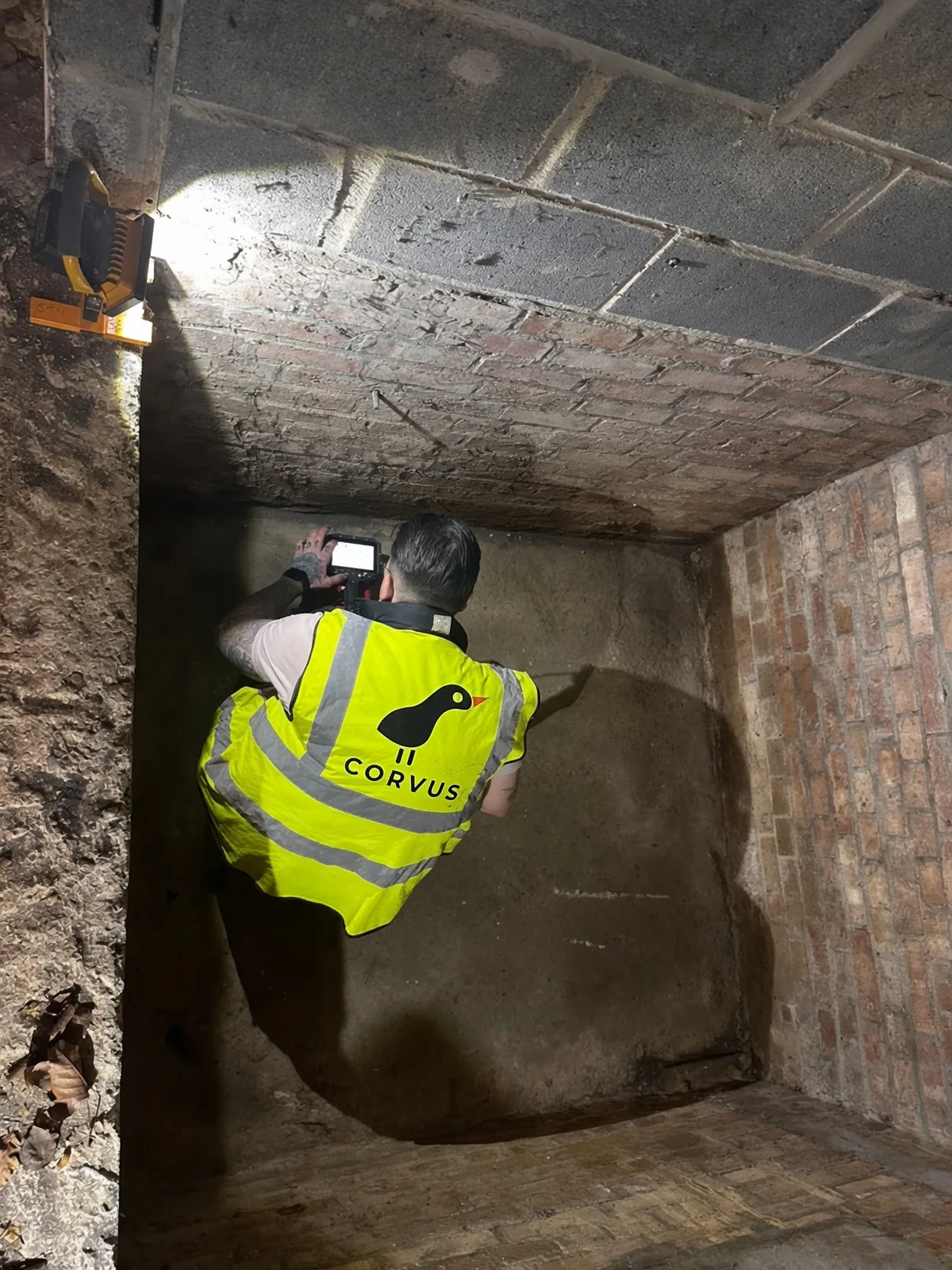
The brief
A waterfront bar in St Neots was installing a new hydraulic lift. Hydraulic lifts don’t hang from ropes at the top of the shaft — the car sits on a ram that seats into the pit, which means the entire lift load is driven straight down into the pit base. Before the lift could be installed, that base had to be proven fit to take it.
That’s not a fixing question, it’s a structural one. Sign off a ram onto a pit floor that can’t carry the load, or that hides a weakness where the load transfers, and the problem only shows itself once the lift is in and working. The installer needed the pit slab and walls proven — reinforcement located, the base confirmed — before committing the ram. Drilling blind into a critical floor in an operating venue was not an option.
On site
We surveyed the pit with ground-penetrating radar, scanning both the base slab and the surrounding walls. The pit was a confined, low-level working space in a live building, so access and setout were planned around the constraints — working down in the pit, scanning each face and the floor methodically rather than sampling and hoping.
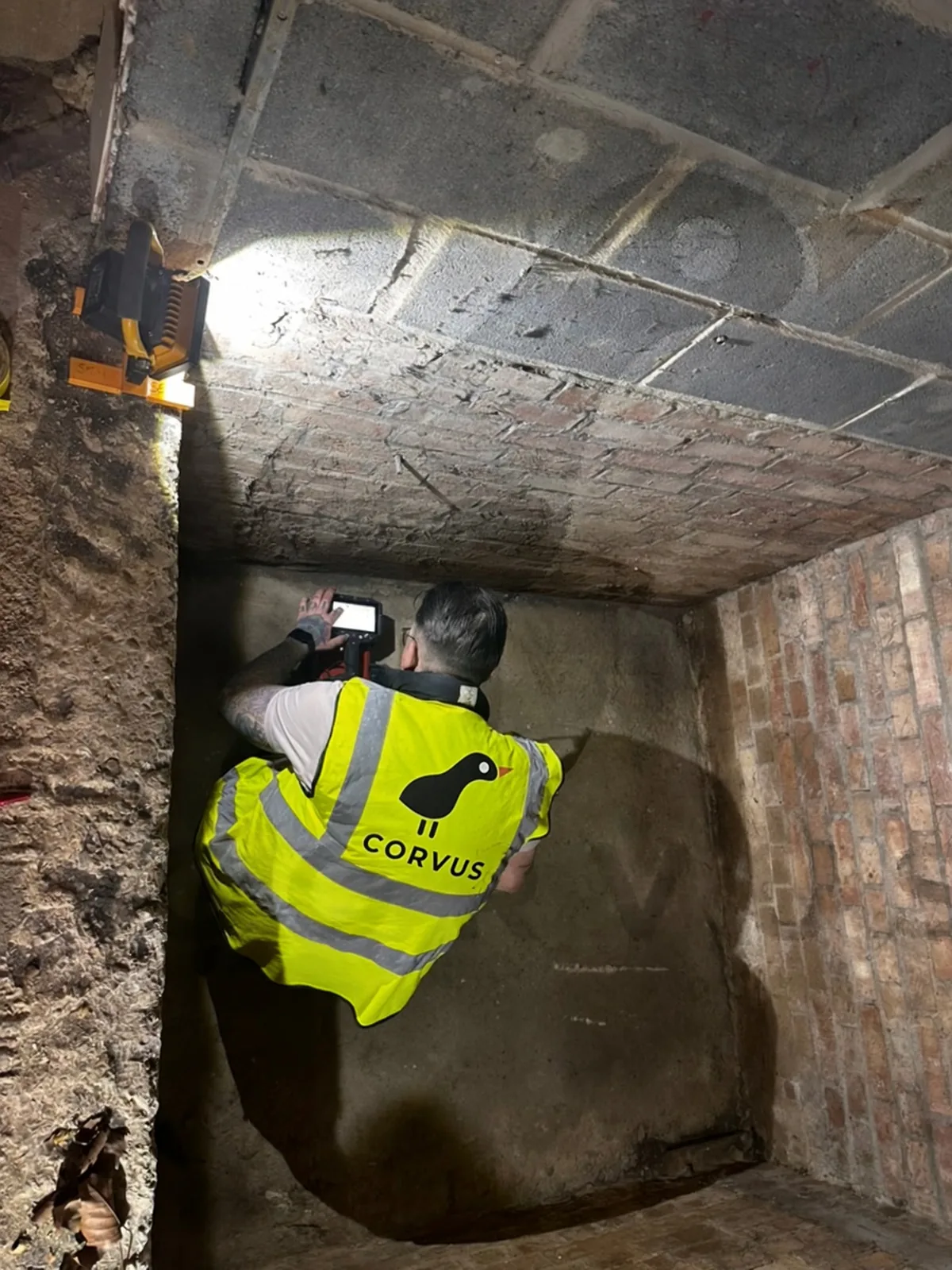
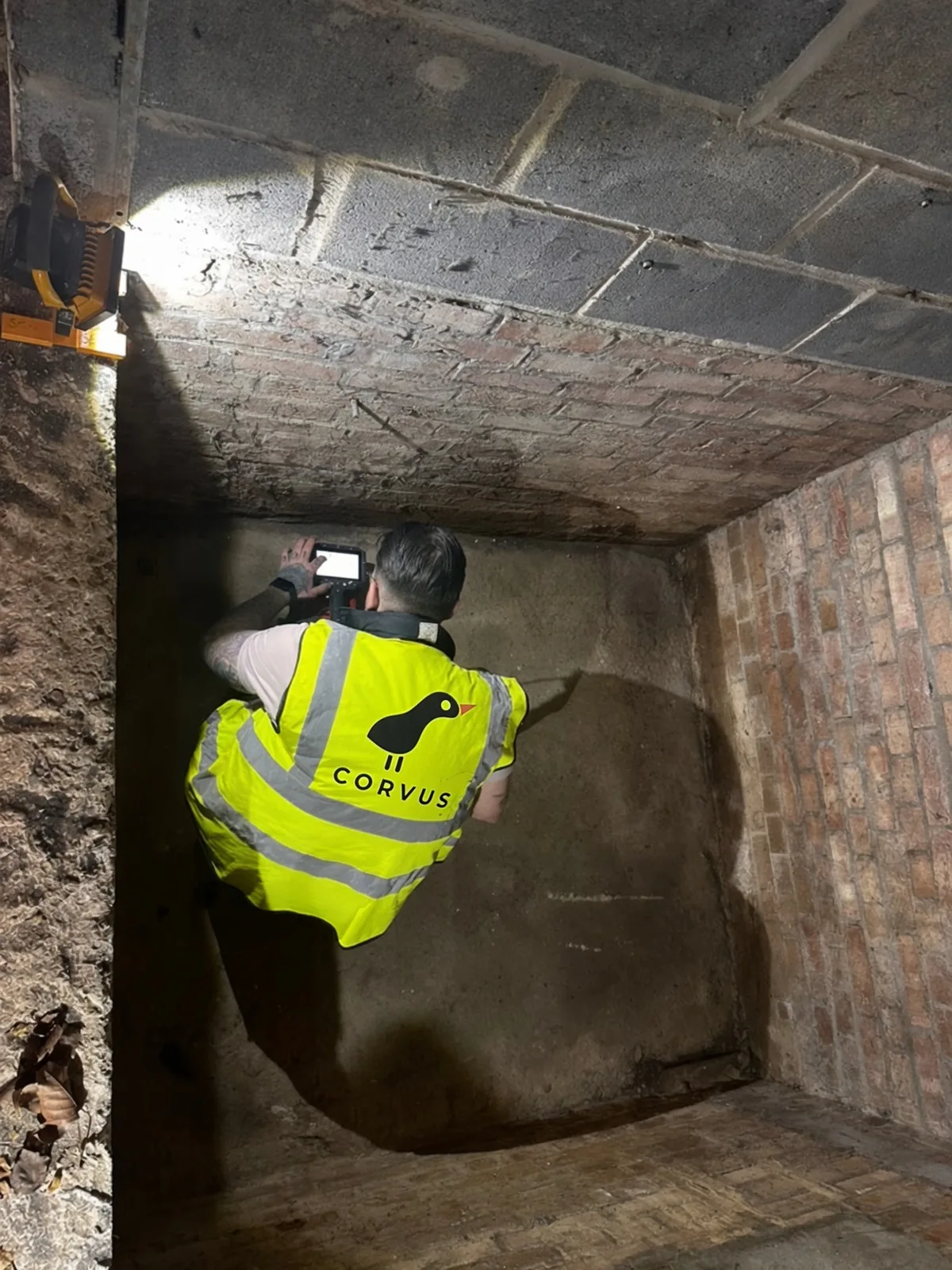
What the scan showed
The survey located the reinforcement through the pit slab and walls and confirmed the base where the ram load transfers into the structure — the exact information the installer’s engineer needed to treat the pit as a proven element rather than an assumption.
As always, we were straight about the boundaries of the data: where the scan couldn’t confirm something to the confidence a sign-off demands, we said so and flagged it, rather than dressing an estimate up as a measurement. On a floor that’s about to take a full hydraulic lift load, that honesty is the whole point.
The deliverable
The installer received a report documenting method, conditions and findings, with the reinforcement and the load-transfer base located against the pit — so the ram could be signed off against real data, not a hopeful assumption about a floor nobody had seen inside.
The outcome
The ram load was signed off against a proven base. The hydraulic lift went in on evidence — no assumptions about the pit floor, and not a single exploratory hole drilled blind into a critical slab in a working venue.