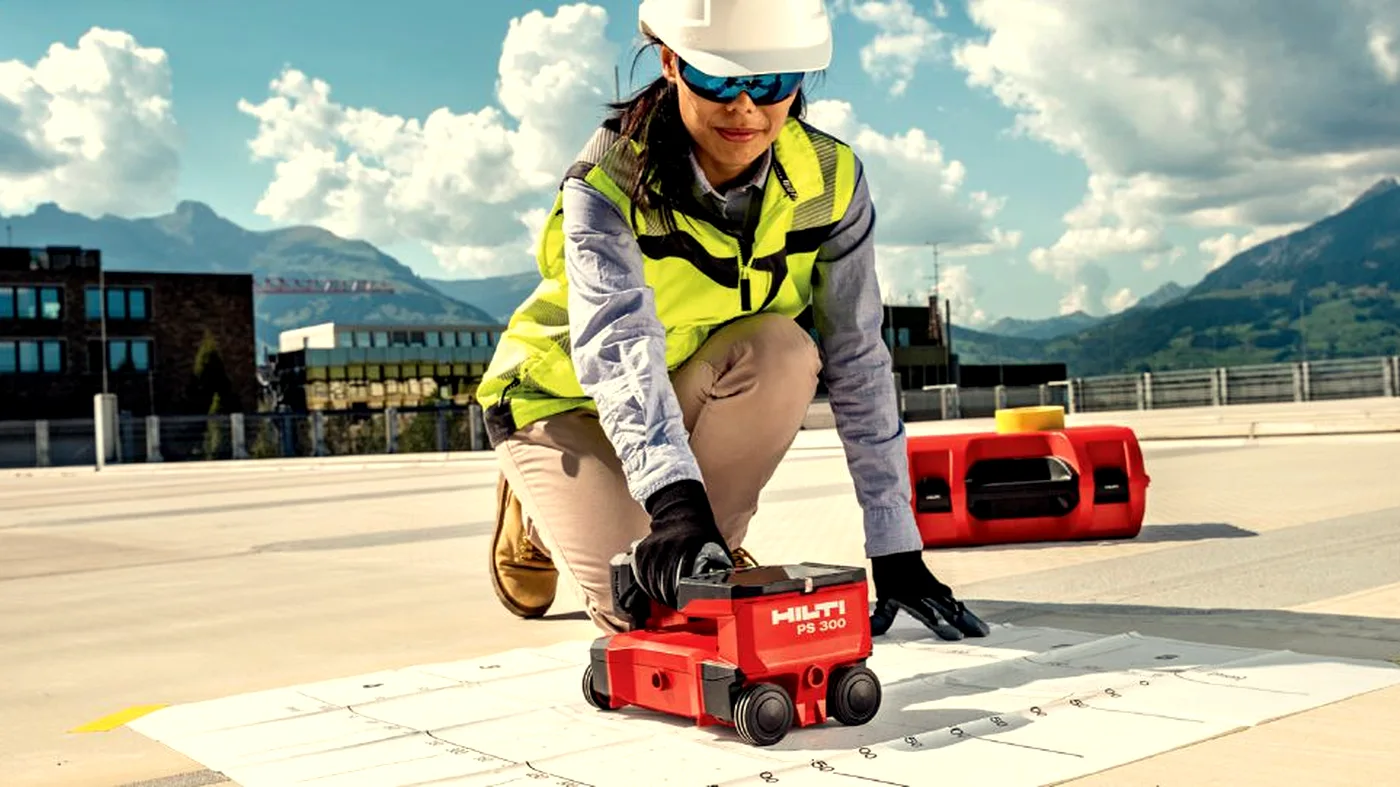
Pull-Out Testing
Pull-out testing for in-situ concrete strength to BS EN 12504-3.
Defensible strength numbers, not guesswork.
Pull-out testing — Lok-test for new concrete, Capo-test for existing — gives you a calibrated in-situ strength estimate. We deliver the test, the calibration, and a defensible report you can put in front of a verifying engineer.
Where it helps
- When concrete strength is in question
- After a defect or distress is observed
- Before structural alterations or change of use
- When the original mix design is unknown
- For dispute resolution and expert reporting
- When commissioning new works requires verification
What you receive
- Test method statement and risk assessment
- Field log with calibrated readings
- UKAS lab certificates for cored samples
- Statistical analysis and characteristic strength estimate
- Engineering-ready PDF report
A note on interpretation. Rebound hammer testing gives an indicative surface hardness; defensible compressive strength comes from cored samples tested in a UKAS laboratory. Pull-out testing is semi-destructive and core extraction is intrusive. Results support, but do not replace, your engineer's judgement.
Often surveyed together.
GPR Concrete Scanning
Ground penetrating radar finds rebar, post-tension cables, conduits, and voids hidden inside concrete — before they become a problem.
Learn moreFerro Scanning
Electromagnetic scanning to map reinforcement, measure cover depth, and estimate bar diameter without touching the concrete.
Learn moreMore from Concrete Testing.
- Concrete TestingRebound Hammer Testing
Schmidt hammer testing for surface hardness and strength estimation.
- Concrete TestingCore Sampling
Core extraction for laboratory compressive strength testing in a UKAS facility.
- Concrete TestingCompressive Strength Testing
Compressive strength assessment of cores in a UKAS-accredited laboratory.
Need defensible strength results?
Send drawings, photos or proposed fixing locations and we'll advise the right survey approach.